Why Spanish?
Give the gift of language — for life.
Spanish is more than a school subject — it’s a global key that opens doors to connection, culture, and opportunity. Whether you’re raising a bilingual child, enriching your classroom, or learning as an adult, Spanish is one of the most valuable and rewarding languages to learn.
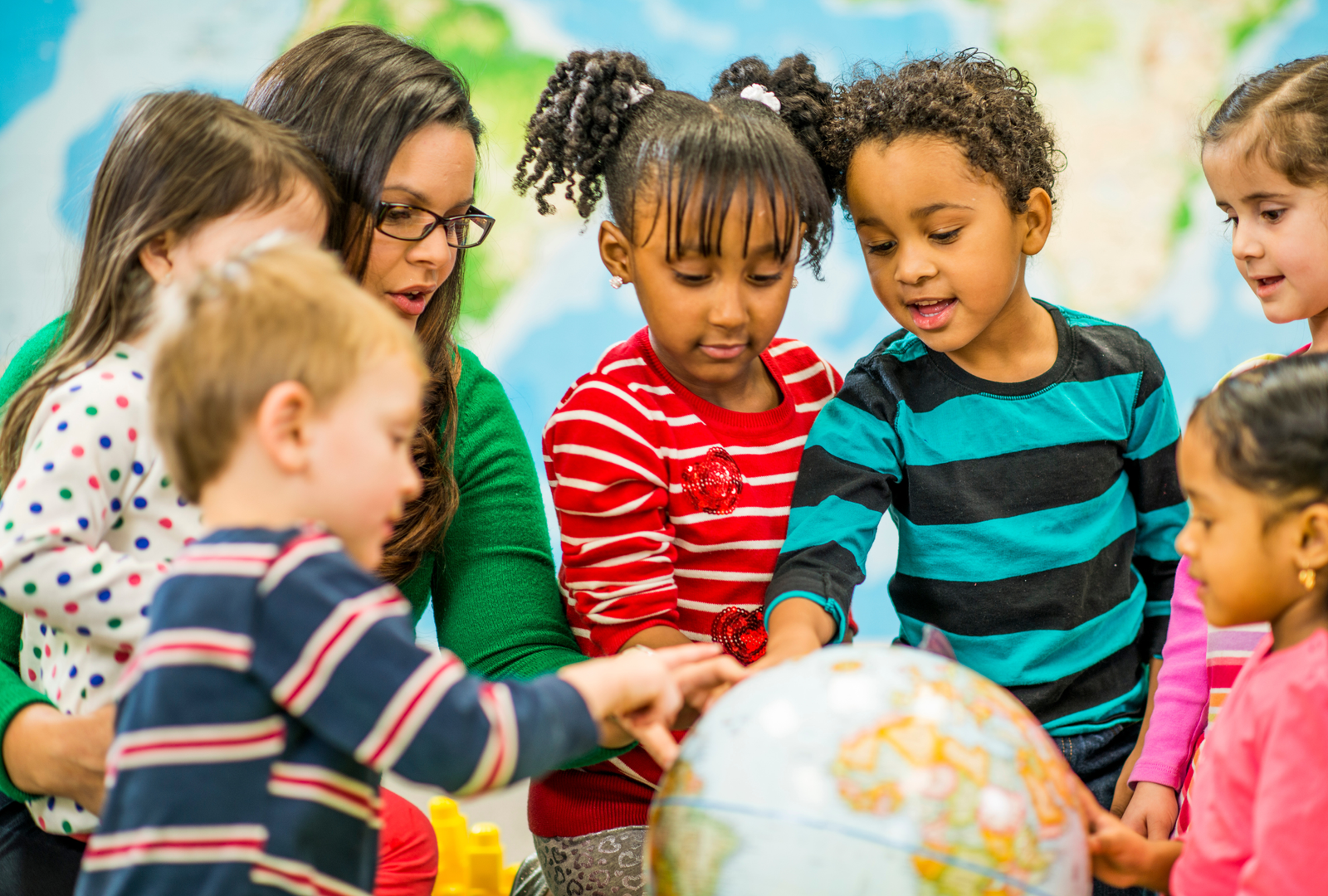
For families who already speak Spanish
If Spanish is part of your story, you already know what’s at stake when you live far from home. It’s not just a language — it’s the sound of your childhood, the words your parents used to comfort you, the jokes that don’t quite translate. When children grow up away from that language, they can grow up close to it but never quite inside it.
Raising a child who speaks Spanish means they get to keep a piece of where they — or you — come from. It means grandparents and grandchildren can have real conversations, not just smiles across a language gap. It means your child inherits not just vocabulary, but a whole way of loving, joking, and belonging.
For families who learned Spanish themselves
Maybe Spanish wasn’t the language of your childhood, but you learned it later — at school, on your travels, through friends or a life you built — and it changed you. You know firsthand what it feels like to think in another language, to connect with people you never would have otherwise, to see the world through a different lens. Now you want your own children to have that same gift, but earlier, easier, and more naturally than you did. Giving them Spanish from the start means they won’t have to work for what took you years — it will simply be part of who they are.
For families discovering Spanish for the first time
You don’t need any connection to Spanish to know that a second language is one of the greatest gifts you can give a child. Spanish is spoken natively by over 500 million people across more than 20 countries — it’s a language that opens doors, not just in future careers, but in friendships, travel, and understanding of the world.
Children’s brains are built for this. In the early years, they can absorb a second language the way they absorb their first — through play, songs, and repetition, with no accent to “fix” and no fear of getting it wrong. This window doesn’t stay open forever, and it doesn’t require you to speak a word of Spanish yourself.
One reason, for every family
Whatever brought you here, the outcome is the same: a child who moves through the world with more curiosity, more empathy, and more doors open to them. At Dimelon, we don’t teach Spanish through worksheets or tests — we live it, through immersion, play, and real connection, so that language becomes something children feel, not something they study.
Why Learn Another Language Early?
- Giving your child the gift of a second language is more than just words — it’s an investment in their future.
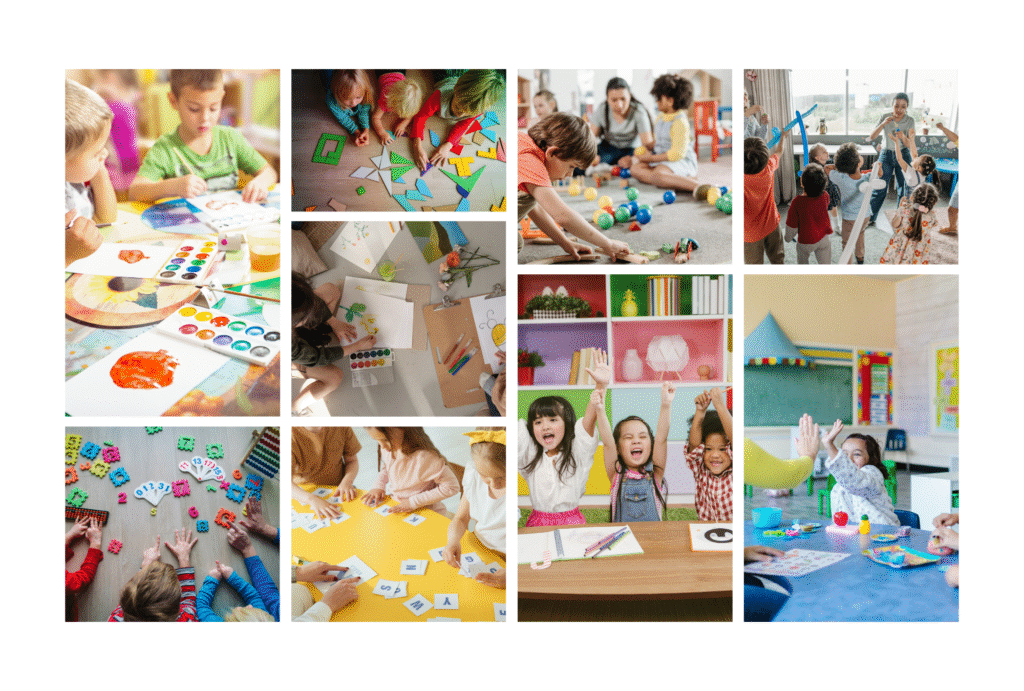
Boosts brain development
Learning a second language in early childhood supports memory, focus, and problem-solving skills.
Improves Communication Skills
Bilingual children often develop stronger listening skills and greater awareness of how language works.
Builds Confidence and Social Skills
Learning to express ideas in another language helps children feel capable, curious, and proud.
Fosters Global Awareness and Open-Mindedness
Exposure to new cultures and ways of speaking helps children grow into empathetic, inclusive humans.
Encourages Creativity and Flexible Thinking
Switching between languages helps kids think in different ways and see new possibilities.
The Earlier, the Easier
Young brains are made for language! Starting early means they absorb sounds, patterns, and words naturally — just like a native speaker.